-
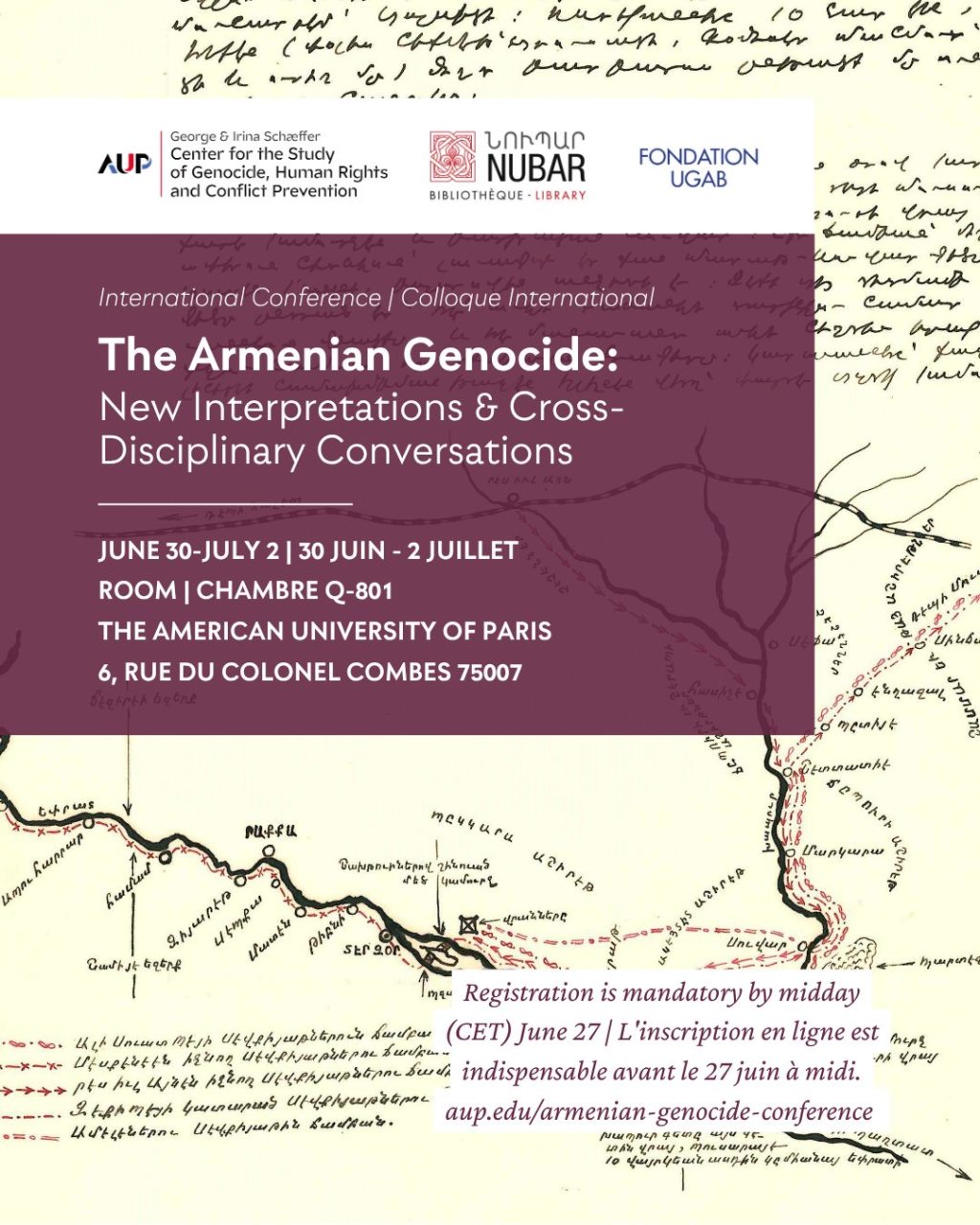
Violence, Erasure, and Heritage after the Armenian Genocide
A reflection on The Armenian Genocide: New Interpretations & Cross-Disciplinary Conversations held at the American University of Paris, focusing on how violence persists through erasure, heritage, and post-genocidal governance. Centering the panel Post-Genocide Victim Erasure and Appropriation, the post situates genocide beyond the event, in its afterlives.
-
06/02/23 Earthquake
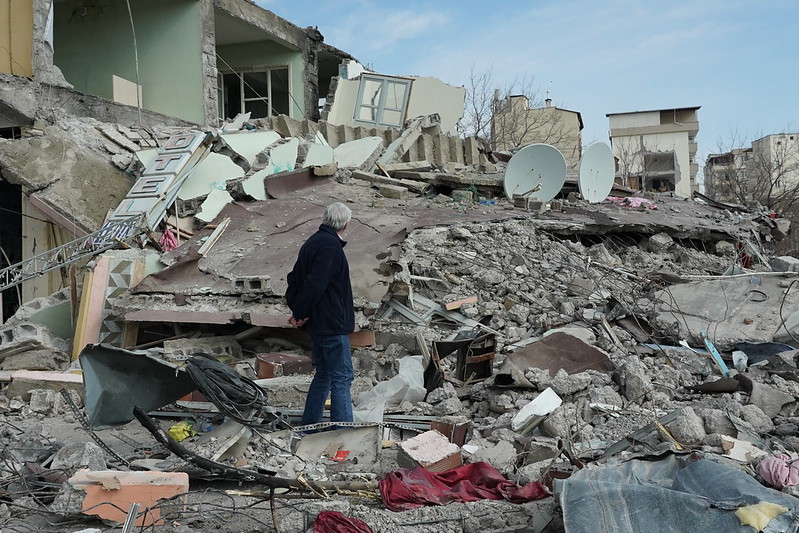
On 06/02/23, two earthquakes hit Eastern Turkey with devastating effects. More than 160,000 buildings collapsed or were severely damaged, around 1,5 million people were left homeless, and more than 50,000 deaths were reported. We heard how 06/02 was the strongest in the region since the 1939 Erzincan earthquake. Some of…
-
A Chance Discovery Below Harput
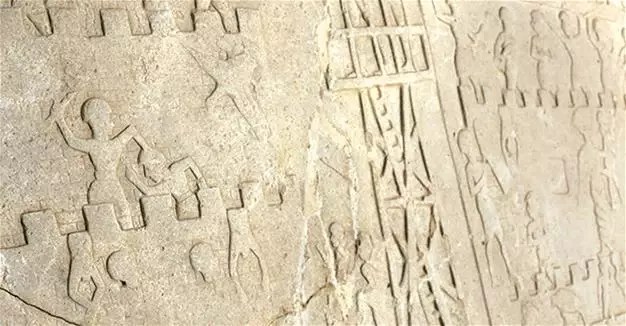
A municipal worker planting trees below Harput unexpectedly uncovered a monumental relief more than 4,000 years old. The stone, carved with scenes of siege and conquest, reveals an early chapter in the history of the Upper Euphrates—and raises a broader question about how some ancient monuments become global masterpieces while…
-
Contested World Orders: Heritage, Conflict, and the Politics of Preservation
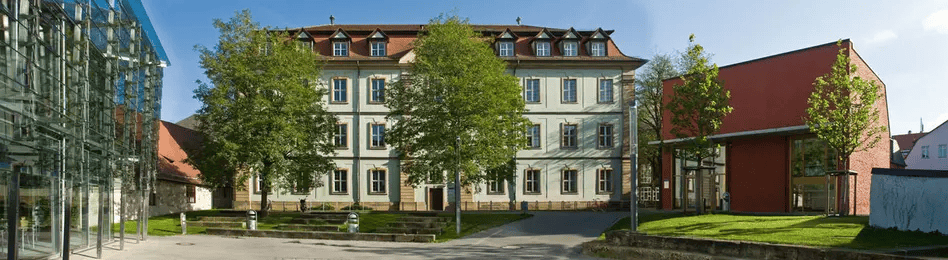
This conference hosted by the University of Bamberg brought together scholars in heritage studies and anthropology to examine how cultural heritage becomes entangled with conflict, governance, and political struggle, highlighting the ethical stakes of studying and intervening in contested pasts.
-
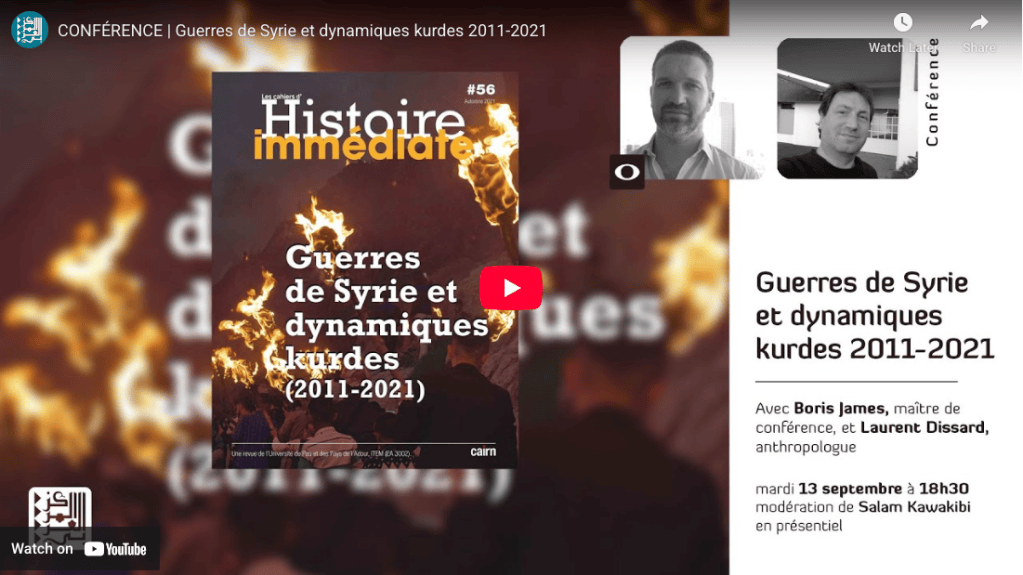
Guerres de Syrie et dynamiques kurdes – Centre arabe de recherches et d’études politiques (CAREP)
Quelle est la place qu’ont occupé les Kurdes dans le conflit syrien ? Telle est la question à laquelle tente de répondre un collectif de chercheurs dans le 56e numéro de Cahier d’Histoire Immédiate. Si le sujet peut paraître largement abordé, voire surmédiatisé, les universitaires nous montrent qu’il reste beaucoup…
-
Sites of Memory, Sites of Loss
The 2022 Keyman Annual Conference examined heritage as a political process shaped by memory, loss, and power in Turkey and post-Ottoman lands, bringing together interdisciplinary scholars to address archaeology, urban transformation, and cultural dispossession.
-

Guerres de Syrie et dynamiques kurdes – Les Idées mènent le Monde
Sur le thème “Reconstruire, se reconstruire. Quels avenirs en ces temps incertains ?”, les Rencontres Littéraires ont rassemblé les 19, 20 et 21 novembre au Palais Beaumont des participants parmi les plus connus, les plus recherchés et les plus compétents du débat public.
-
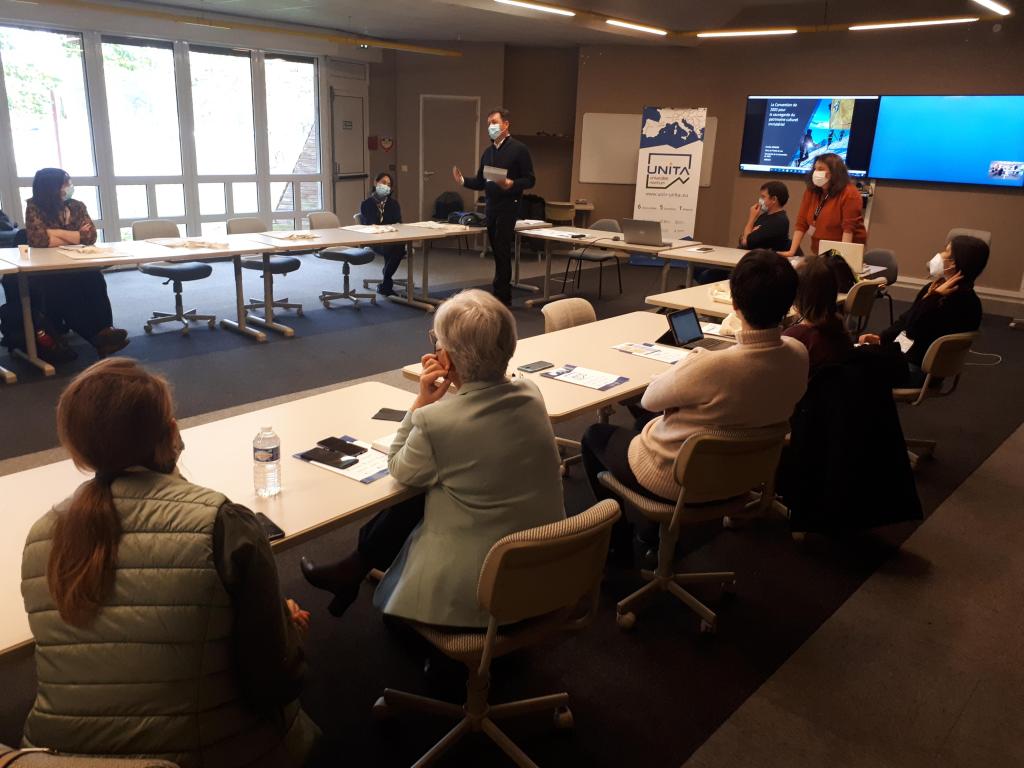
Intangible Heritage in Béarn
I had the immense pleasure of coordinating from November 8th to November 12th, 2021, alongside the anthropologist Patricia Heiniger-Casteret at the University of Pau and Pays de l’Adour, one of the first UNITA Winter Schools on Intangible Cultural Heritage in Pays de Béarn. Living and contemporary, Intangible Cultural Heritage (ICH)…
-
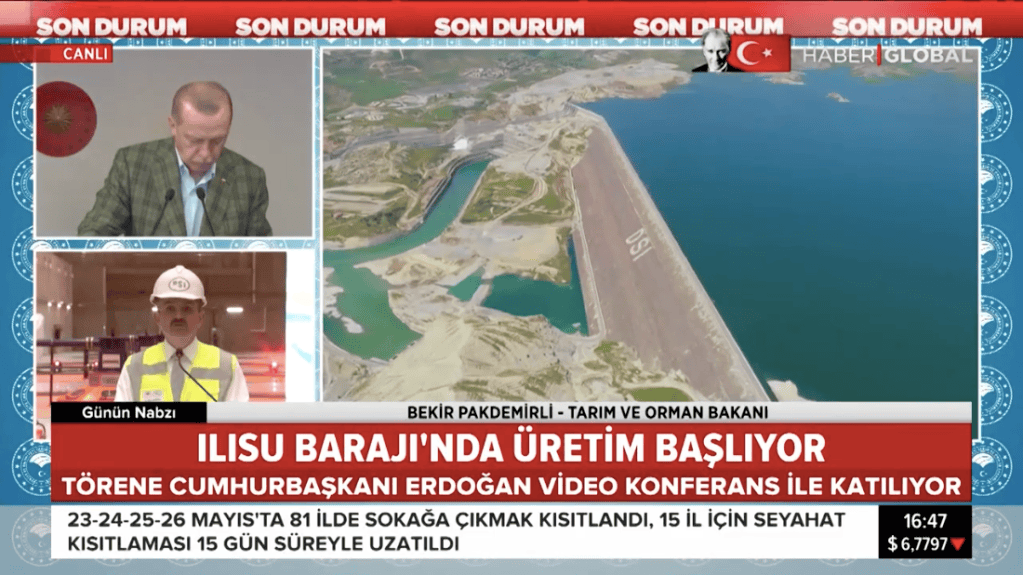
“Protected with the utmost care”
The Ilısu Dam and Hydroelectric Power Plant was officially inaugurated by Turkish President Recep Tayyip Erdoğan on May 19, 2020. Turkey’s fourth-largest dam is part of the Southeast Anatolia Project (Güneydoğu Anadolu Projesi or GAP), a development project implemented in 1984 to improve the economic and social conditions of the…
-
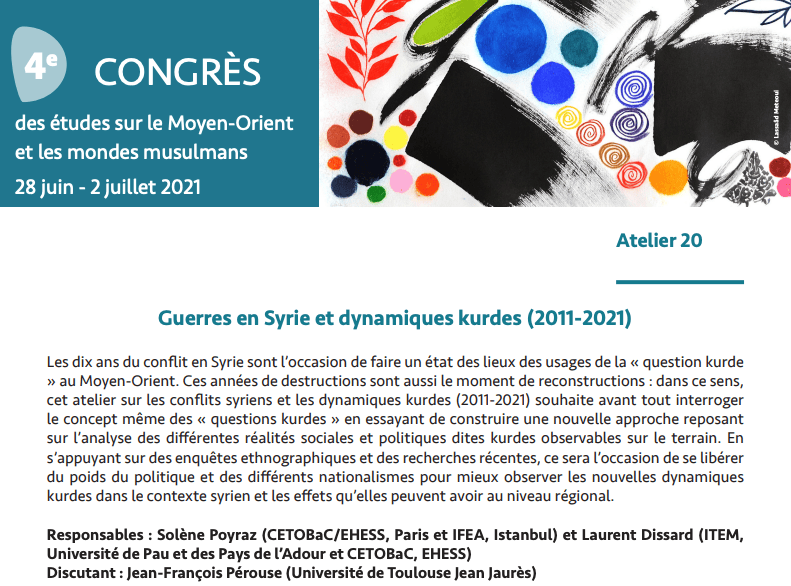
Guerres de Syrie et dynamiques kurdes – Congrès des études sur le Moyen-Orient et les mondes musulmans
Les dix ans du conflit en Syrie sont l’occasion de faire un état des lieux des usages de la « question kurde » au Moyen-Orient. Ces années de destructions sont aussi le moment de reconstructions : dans ce sens, cet atelier sur les conflits syriens et les dynamiques kurdes (2011-2021)…
-
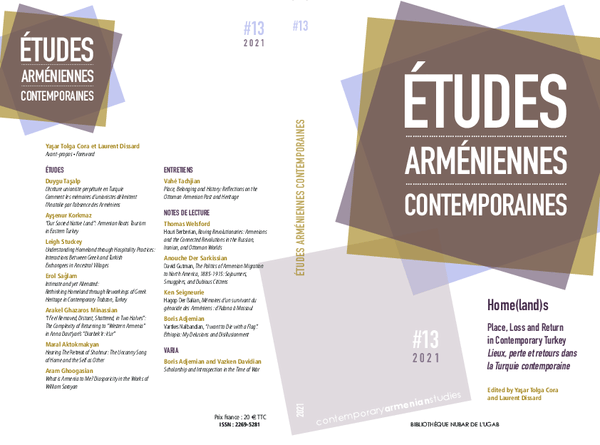
Home(land)s: Place, Loss and Return in Contemporary Turkey
Home(land)s: Place, Loss and Return in Contemporary Turkey (Volume 13 of Études arméniennes contemporaines) approaches home and homeland as unstable, affective, and epistemic problems shaped by violence, displacement, and denial. Bringing together interdisciplinary research on contemporary Turkey, the volume examines how loss, return, and belonging are lived, narrated, and governed…
-
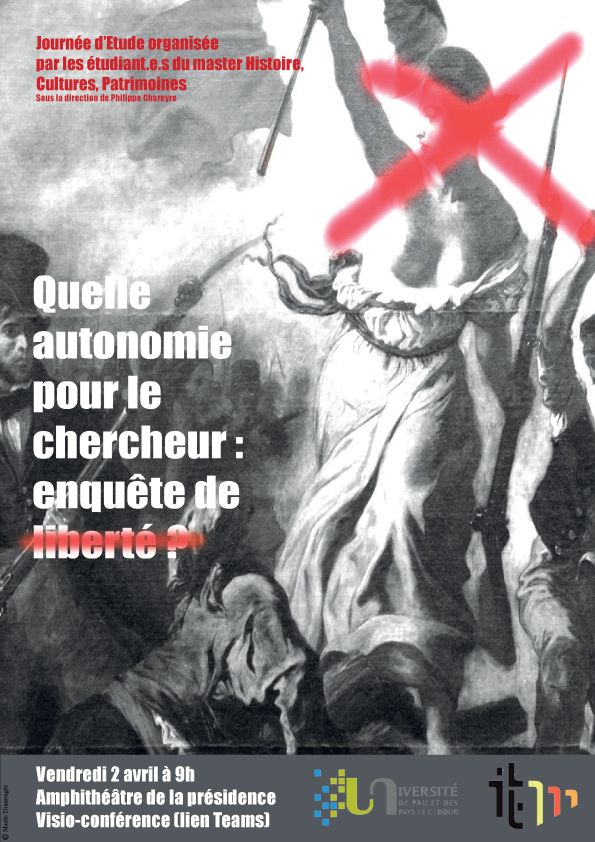
Academic Freedom: Reflections on a One-Day Workshop
At a moment when academic freedom faces renewed scrutiny, this one-day workshop at the Université de Pau examined researcher autonomy as a lived practice — negotiated through archives, ethics, fieldwork, and the everyday responsibilities of scholarly inquiry.
-
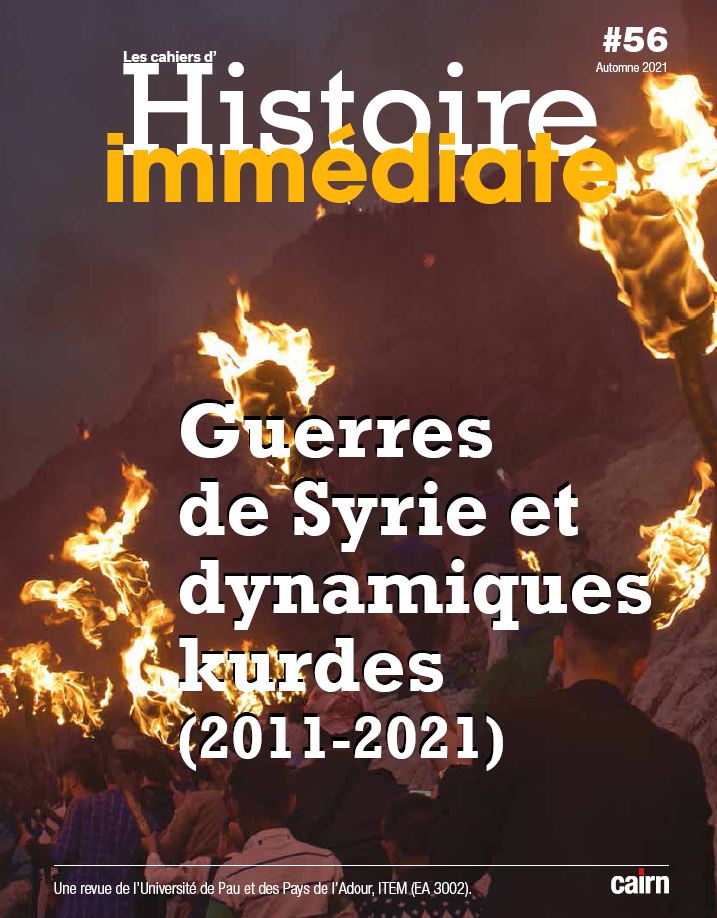
Guerres de Syrie et dynamiques kurdes 2011-2021 (Syrian Wars and Kurdish Dynamics) with Solène Poyraz
Faire quelque chose, marquer le coup, ne pas laisser la voix à des velléités réductrices et nationalistes, voilà ce qui nous a motivés à penser ce numéro, à l’occasion des 10 ans des révolutions que l’on a appelées « arabes » mais qui ont affecté le monde et ses sociétés.…
-
Les Jeudis d’ITEM
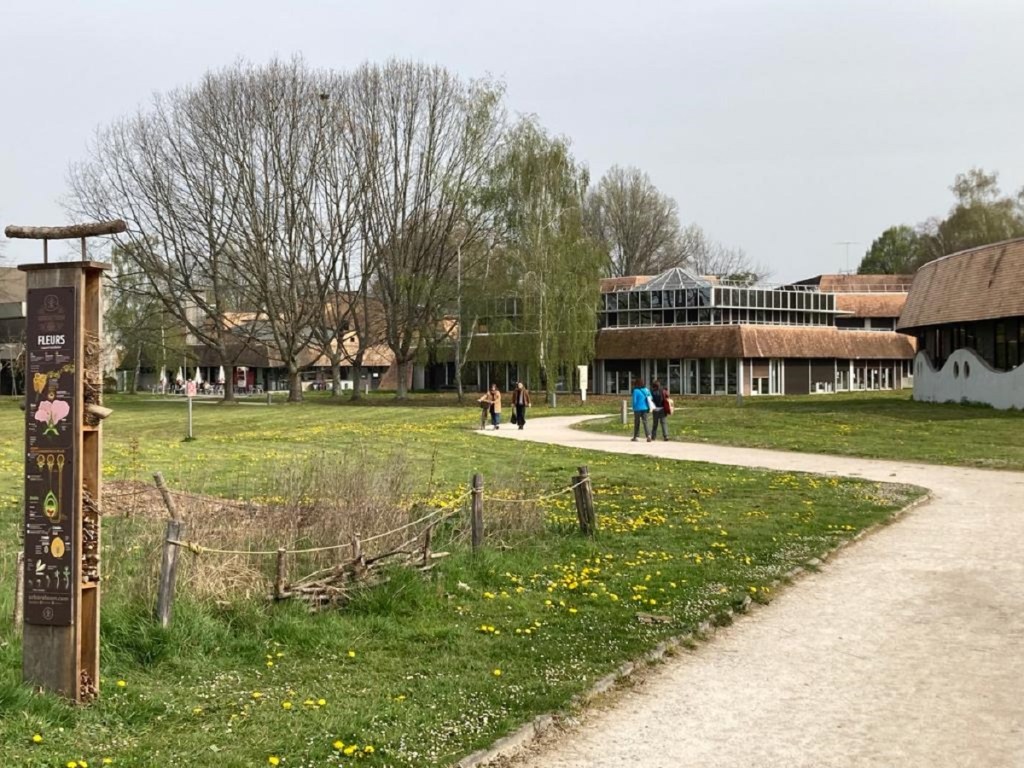
The “Jeudis d’ITEM” are a series of monthly scientific seminar organized by the ITEM (Identities, Territories, Expressions, Mobilities) research laboratory at the University of Pau and the Pays de l’Adour (UPPA). During these meetings, members of the ITEM laboratory (teachers, researchers, and doctoral students) or invited guests present their research…
-
“Lire Bourdieu en Béarn”: Reading Bourdieu in Béarn
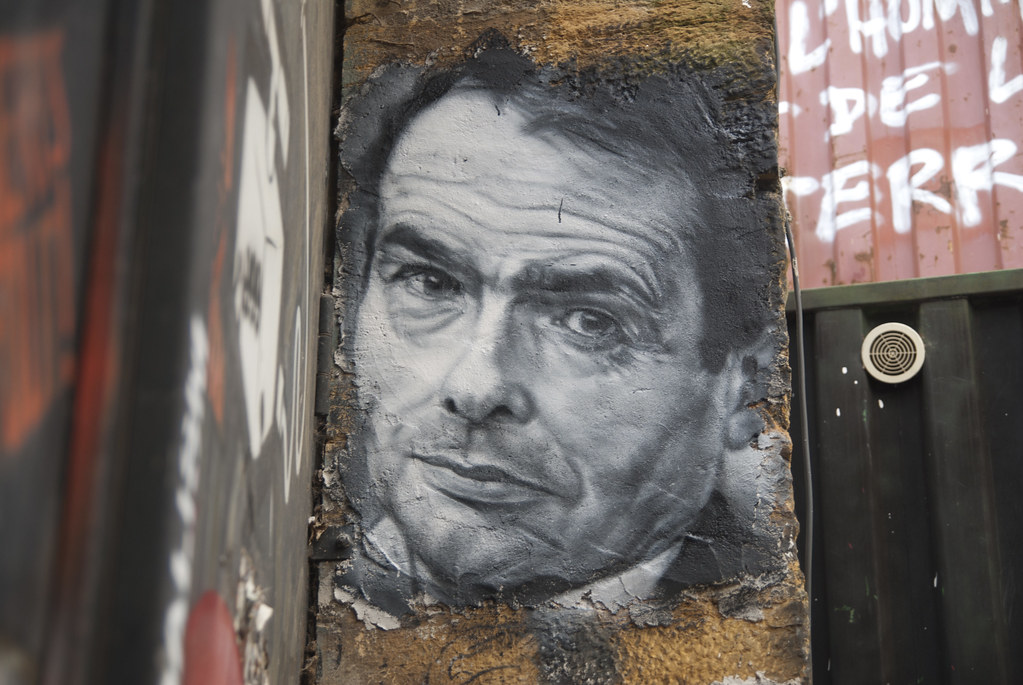
A reflection on Lire Bourdieu en Béarn, a public and pedagogical initiative connecting Pierre Bourdieu’s sociology to his Béarn origins through courses, readings, and community engagement.
-

« Histoire d’y croire… encore » – Les Idées mènent le Monde
Croire en ses sources ne suffit pas ! Tel est le postulat sur lequel historiens, historiens de l’art et anthropologues s’entendent. Croiser ses sources permet de contextualiser et éviter de nombreux pièges. Pour l’anthropologue, « avoir un regard critique sur nos sources, quelles qu’elles soient, permet de partir d’un fait…
-
BODAH – Boosting Sustainable Tourism Through Smart Technology
BODAH is a project aimed at enhancing sustainable tourism management in culturally significant areas facing mass tourism challenges, involving ten partners across Europe. Utilizing smart technologies and data analysis, it seeks to redistribute tourism impacts and improve visitor flow management in cities like Santiago de Compostela, San Sebastián, Pau, and…
-
Remembering Keban: Rescue Archaeology, Memory, and Critique
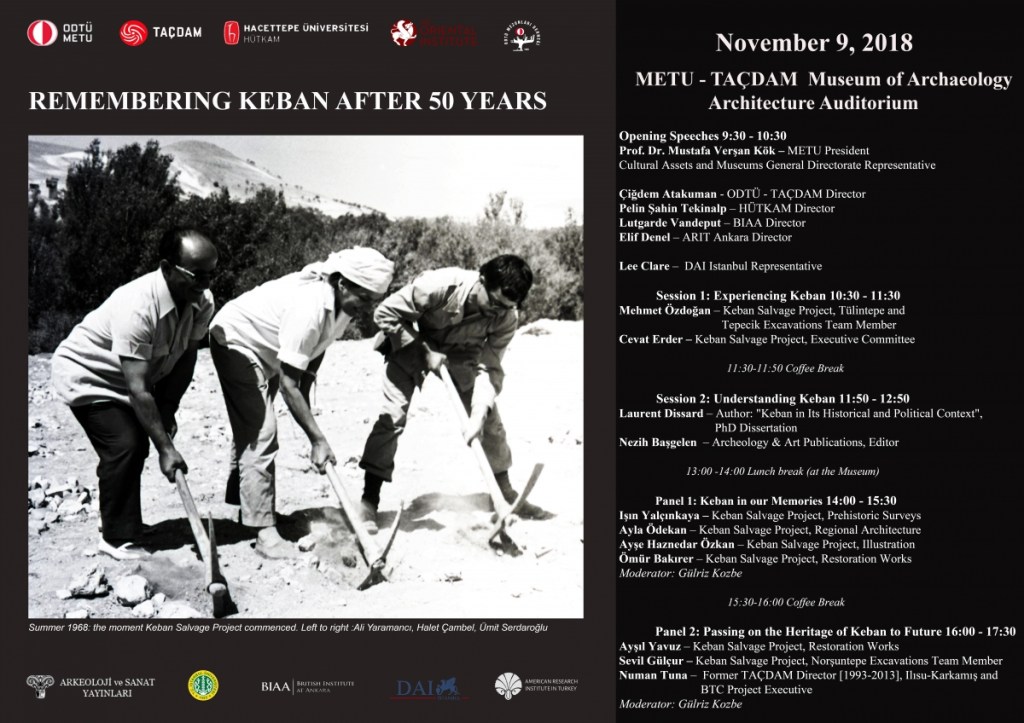
On November 9, 2018, METU hosted a conference marking fifty years since the Keban Dam Rescue Project. Drawing on archival research, I offered a critical reassessment of its celebrated legacy, situating rescue archaeology within broader debates on infrastructure, heritage, and power.
-
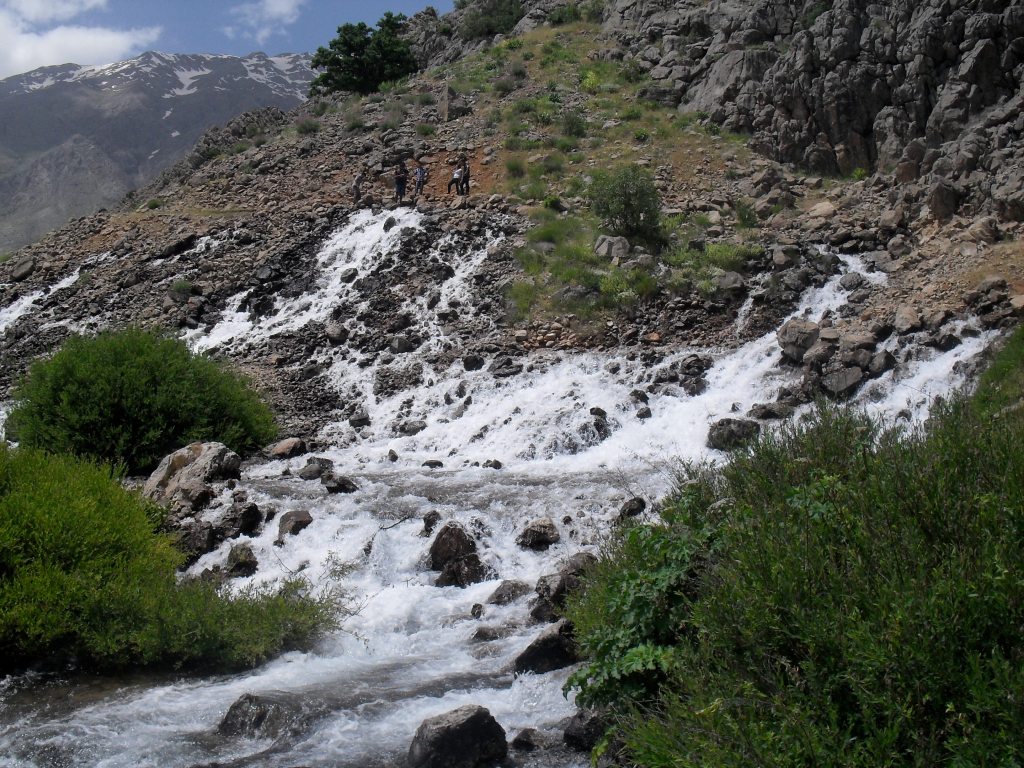
Dams in the Munzur Valley: Contested Infrastructures, Sacred Landscapes, and Local ResistanceDams in Munzur Valley
A reflective and contextual examination of the contested dam projects in the Munzur Valley—where ecology, identity, and state power meet in ongoing struggles over rivers and rights.
-
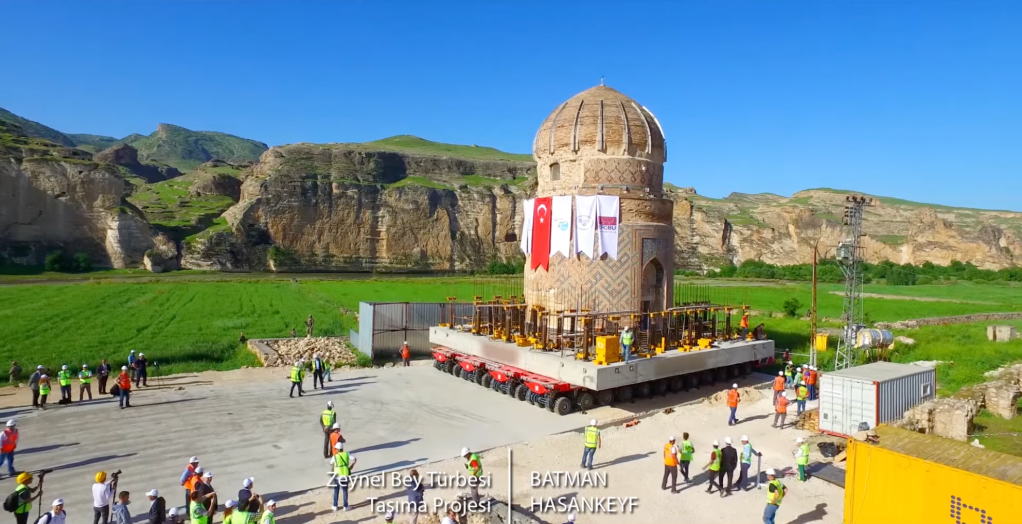
“Ne li vir im ne li wê me”
The Zeynel Bey mausoleum, a cylinder-shaped tomb weighing more than 1,000 tons built during the 15th century in Hasankeyf by the Tigris River, was transported a few kilometers away from its original location on 12 May 2017 in anticipation of the Ilisu Dam being built upstream. It was adorned that…
-
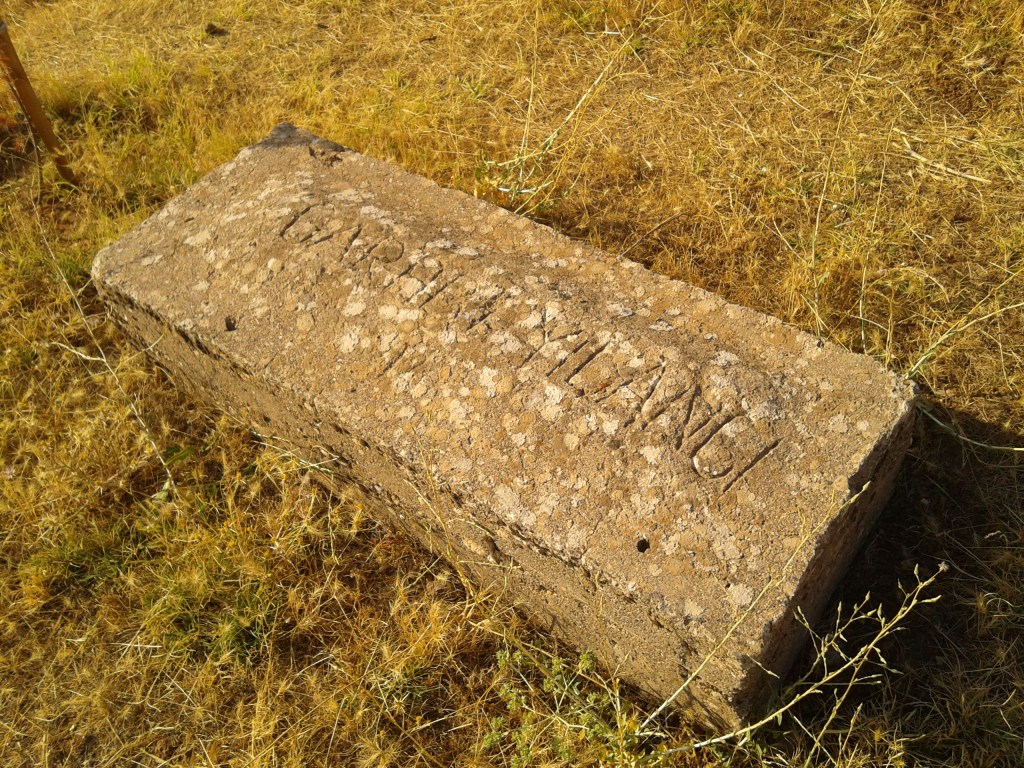
Between Exposure and Erasure: Arapgir’s Armenian Cemetery
The key was not hard to find. Hidden under a flat stone, he kneeled down to pick it up and unlocked the gate. In front of us, a large plot of land covered with grass, surrounded by a few gray, tall apartment buildings. The parcel looked abandoned with 30 or…
-
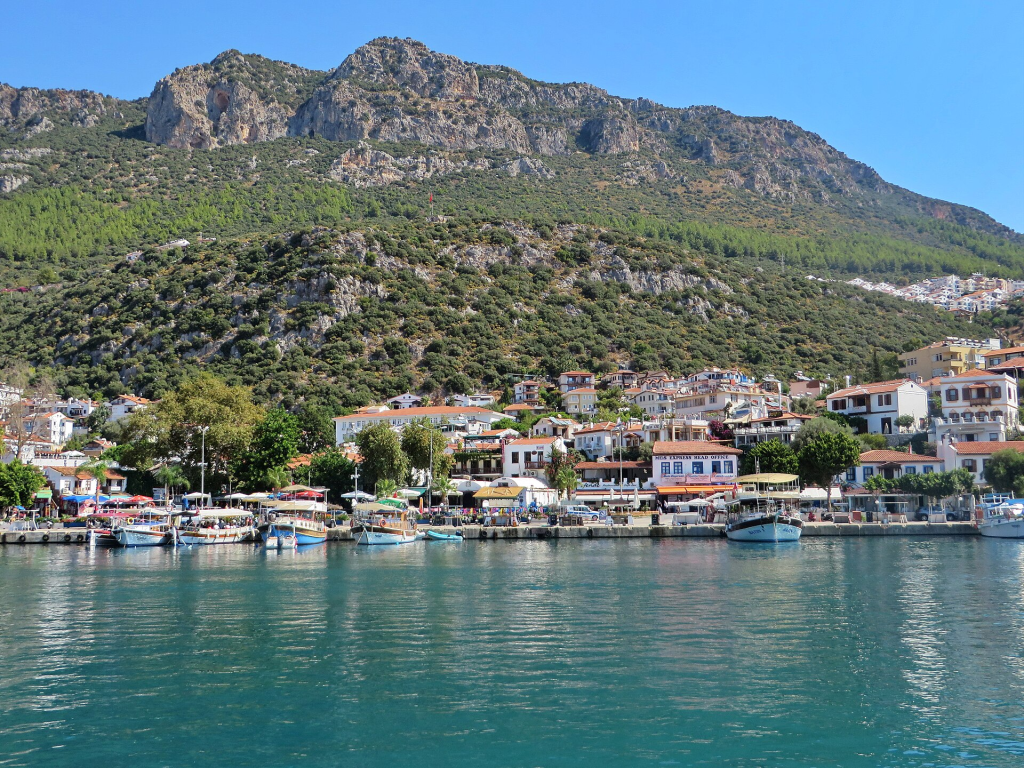
Kaş, Submerged by Mass Tourism
This post revisits Michael Ruhland’s little-known 1995 ethnography of Kaş, focusing on the disappearance of the seasonal back-and-forth between the yaylas and the seaside after the arrival of mass tourism. It traces how infrastructure and outside investment in the 1980s fixed the town permanently to the coast, reshaping livelihoods and…
-

Critical Perspectives on Urban Infrastructure: Drawing Out a Progressive-Oriented Agenda
A reflective overview of the 2016 UCL workshop “Critical Perspectives on Urban Infrastructure,” which brought together early-career scholars to explore infrastructure as a political, cultural, and socio-technical terrain shaping urban inequality, conflict, and future imaginaries.
-
Siros Autrefois
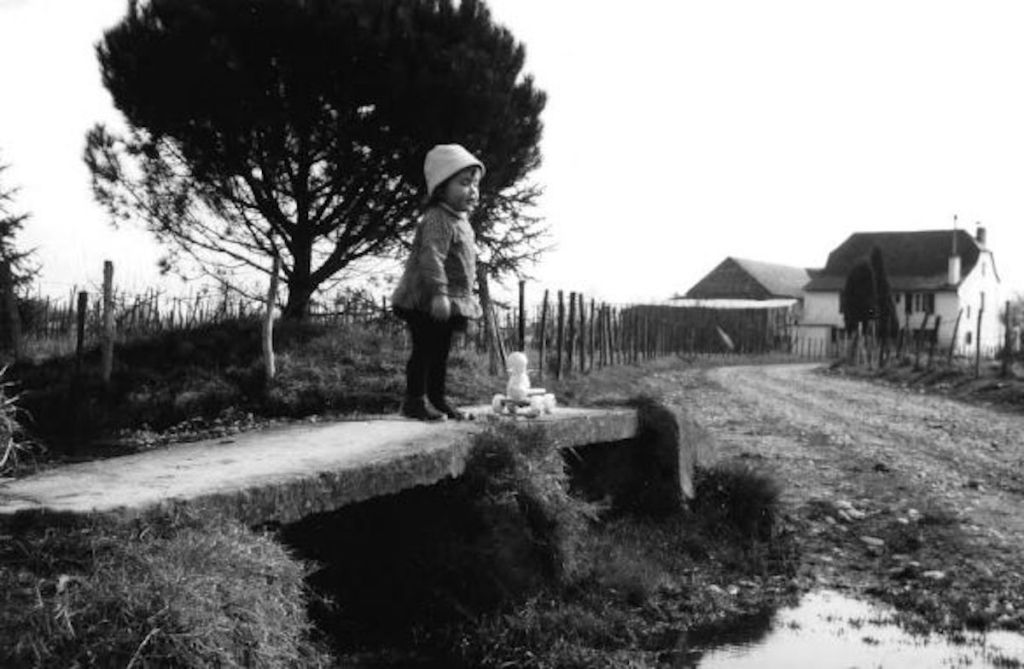
Siros autrefois : mémoires d’un village or Siros in the Past: Memories of a Village is an oral history project in the village of my mother and grandmother along the Gave de Pau in Béarn, southwestern France. The website Siros Autrefois: Mémoires d’un Village publishes archival documents, press articles, and…
-
Digging (Ziyaret) Tepe – A Funeral
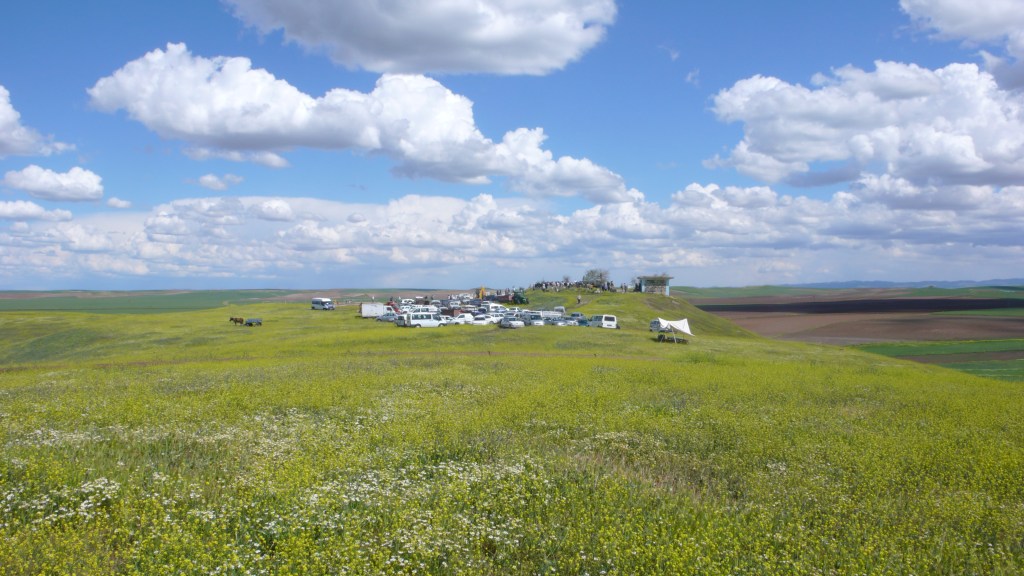
Archaeologists often come across ancient human burials during their excavations. It is less often, however, that human burials come across archaeological excavations. This is what happened, however, to one particular funeral procession a few years ago, in the town of Tepe in Southeastern Turkey. The goal here* is, rather than arrive at…
-
Contested Heritage: Museums as Sites of Memory and Narrative
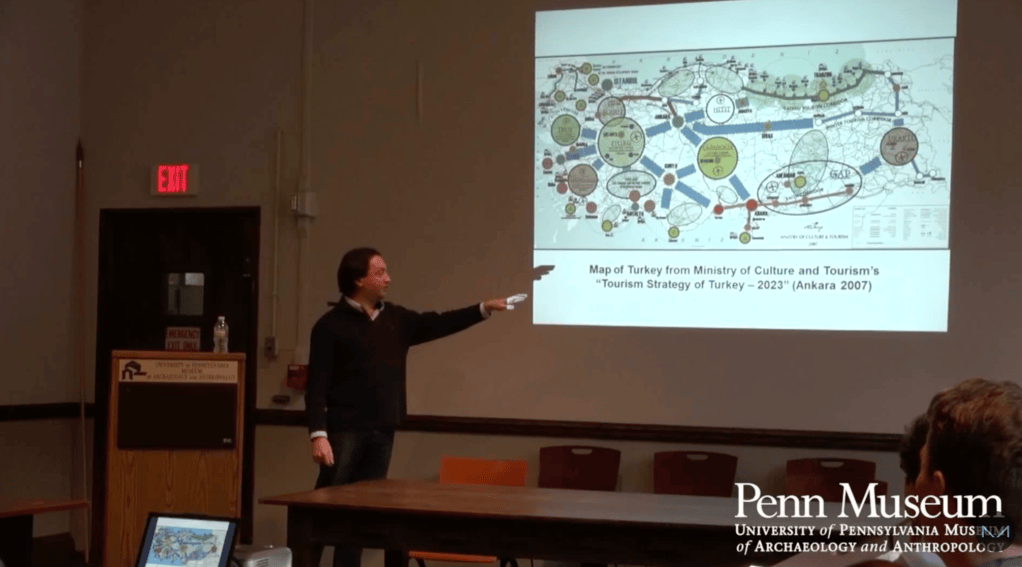
A critical reflection on archaeology museums in Turkey, examining how contested heritage is framed through national narratives, institutional practices, and the politics of memory, based on a public lecture on heritage, archaeology, and power given at the Penn Museum for the Penn Cultural Heritage Center in February 2013.
-
Scramble for the Past: The Global Fight Over Cultural Heritage
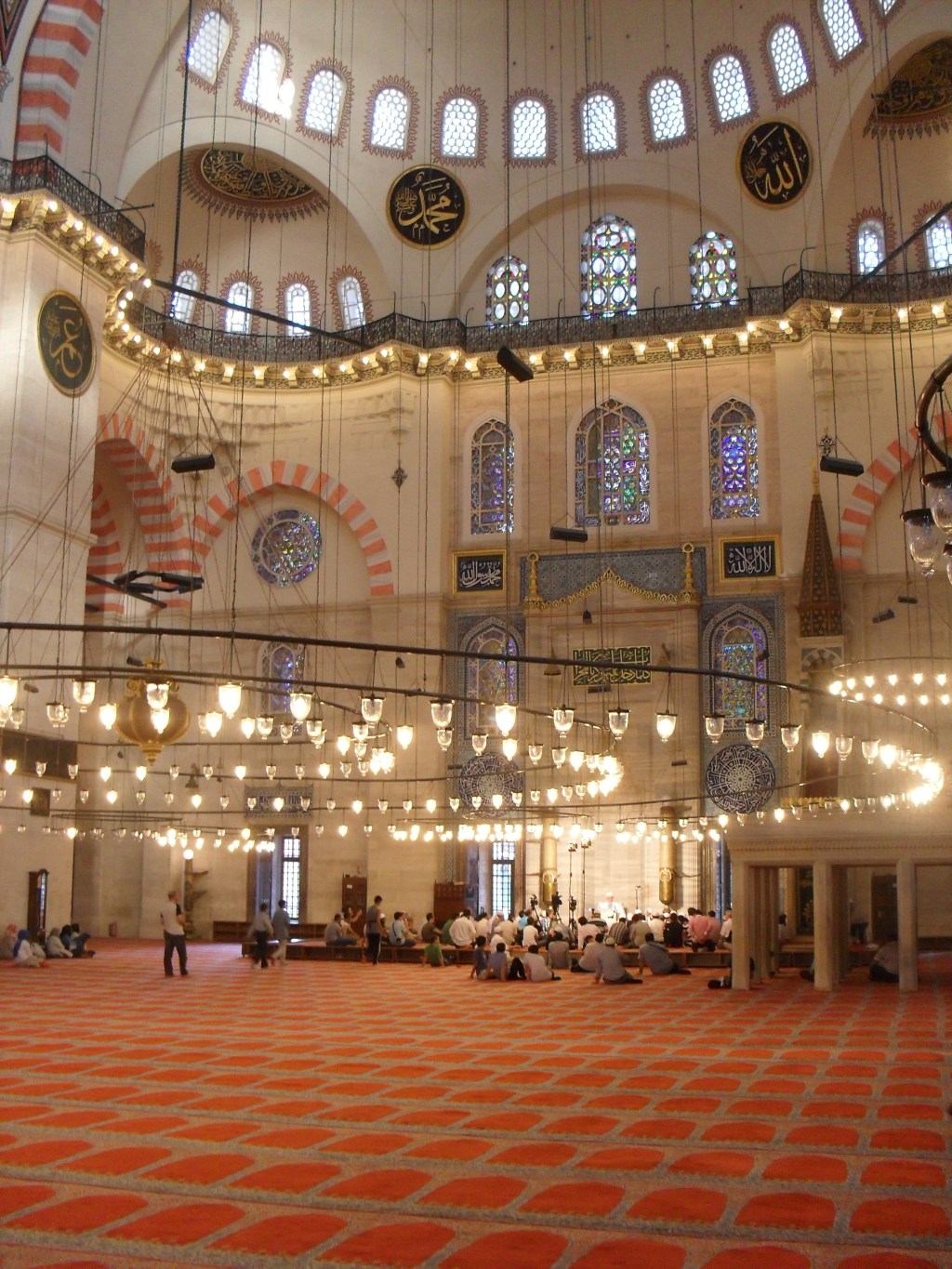
Across Turkey, antiquities are increasingly subject to surveillance, documentation, and legal control. In Istanbul, the Süleymaniye Mosque has introduced security cameras and expanded its guard staff in response to concerns over theft. Manuscripts and architectural elements—previously unregistered Qurʾans and wall tiles in particular—have now been formally inventoried and archived. Beyond…
-
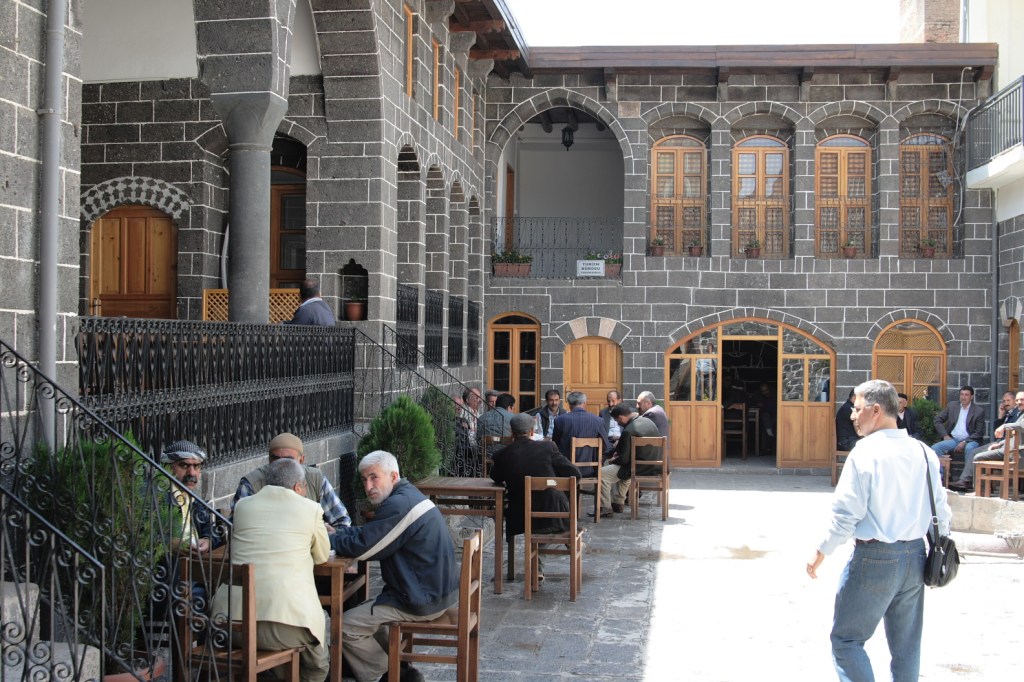
Diyarbakır’s New Museum(s)
The southeastern provinces of Turkey will soon be home to a series of new, state-of-the-art, archaeology museums. Such buildings are being (or have already been) planned, constructed, remodeled, or expanded. The Gaziantep Museum, for instance, houses many of the Roman mosaics of Zeugma unearthed before the construction of the Birecik…
-
Subscribe
Subscribed
Have a WordPress.com account? Log in now.

